

 Español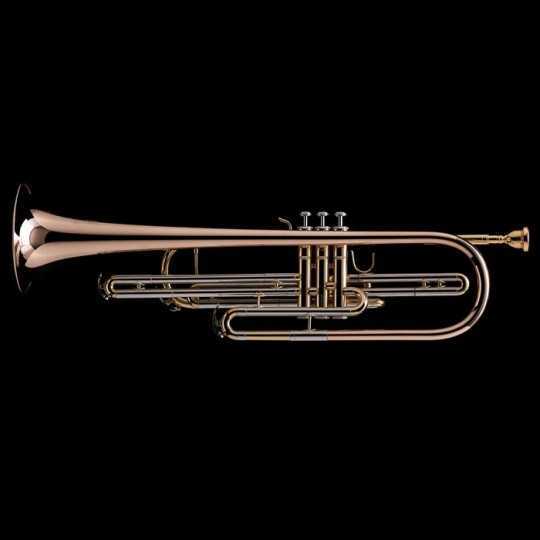
- -10%
- 10%
0
Tuned in Bb
Inner diameter: 0.46 "(11.66 mm)
Bell: 6.1 "(155 mm)
Gold Brass leadpipe
Gold Brass bell
Nickel slides
Monel pistons
Tip Wessex 6 ¾ c
Includes Case
 +info
+infoLow trumpet Wessex Bb BT1 pistons: quality and superior performance
The Low trumpet Wessex Bb BT1 of pistons is a metal wind instrument that combines elegance, functionality and unmistakable sound. Designed for demanding musicians, this trumpet offers an enriching sound experience and an ergonomic design that facilitates its use in long sessions. Whether for advanced students, professional musicians or passionate fans, this trumpet is an excellent choice.
The design of the low trumpet Wessex Bb BT1 has been carefully designed to guarantee a comfortable and professional experience. Its robust and compact structure ensures durability, while lacquered brass finish enhances its appearance and protects the instrument from corrosion.
One of the most outstanding aspects of this low trumpet is its ability to produce a warm, deep and resonant sound. This makes it an ideal option for a variety of musical styles, from classical music to jazz or wind bands.
The Low trumpet Wessex Bb BT1 it is designed with the comfort of the musician. Its balanced weight and soft pistons allow long hours of interpretation without fatigue. In addition, its ergonomic design facilitates handling, even for beginners.
The specifications of the low trumpet Wessex Bb BT1 reflect his technical excellence and attention to detail:
Both advanced students as professional musicians will appreciate the quality and versatility of this trumpet. Its ease of use and impeccable sound make it a reliable option for all types of interpreters.
Thanks to its high quality materials and resistant finish, the low trumpet Wessex Bb BT1 is designed to support continuous use and stay in perfect condition for many years.
Compared to other instruments of its category, this trumpet offers a quality superior to a competitive price, which makes it an intelligent investment for musicians of all levels.
If you are looking for an instrument that combines exceptional sound, ergonomic design and durability, the Low trumpet Wessex Bb BT1 of pistons is the perfect choice. Its versatility makes it adequate for a wide range of musical applications, from concerts to practice sessions at home.
To keep your trumpet in perfect condition, it is essential to follow these care recommendations:
The Low trumpet Wessex Bb BT1 of pistons is an instrument that stands out for its sound quality, ergonomic design and durability. Ideal for both students and professionals, this trumpet is an investment that will accompany you on your musical path, offering you a unique experience in each interpretation.
The low trumpet is an instrument that has evolved over the centuries. Its modern design with pistons was introduced to offer greater versatility and precision in execution. This instrument arose as an extension of the traditional trumpet, adapting to the needs of musicians who required a deeper and more warm rank. Today, the low trumpet Wessex it is an example of this evolution.
The low trumpet has a highly use in a wide range of musical genres. From jazz to classical music, going through symphonic bands and theatrical shows, its ability to integrate into different styles makes it an indispensable option for versatile musicians. Its warm tone is also ideal for solo interpretations and study recordings.
To get the most out of the low trumpet, it is essential to dominate specific techniques such as diaphragmatic breathing and precise management of pistons. Exercises as scales in different tonalities, fast passages and sound projection studies are essential for musicians seeking to improve their technique.
Although the low trumpet shares similarities with other wind-metal instruments, such as trombone or euphonium, its characteristics distinguish it remarkably. For example, its compact design and the use of pistons instead of a sliding rod grant greater agility in fast passages. Compared with the traditional trumpet, its deepest tone expands the sound possibilities.
The Wessex BT1 stands out in front of competitors thanks to its robust construction, ergonomics and precise tuning. Its competitive price, combined with high quality materials, position it as one of the best options in its category. In addition, its ease of maintenance makes it an ideal instrument for both beginners and professionals.
Adequate maintenance is essential to preserve the sound quality of the low trumpet. This includes regular cleaning of pipes, piston oil to ensure a fluid movement and storage in a resistant case to avoid damage. A periodic professional review is also recommended to ensure that all components are in perfect condition.
Accessories for low trumpet Wessex BT1 includes specific oils for pistons, custom mouthpieces and lecters to facilitate practice. It is also advisable to have a water resistant cover to protect the instrument during displacement.
Professional musicians stand out the Wessex BT1 for its quick response, warm tone and its ability to adapt to different musical styles. Beginners value their ease of use and ergonomic design, making it a popular choice for all ages and skill levels.
The Low trumpet Wessex Bb BT1 of Pistones is more than an instrument; it is an investment in quality, versatility and musical experience. Whether you are looking for an instrument for live performances, study recordings or daily practice Wessex BT1 will give you everything you need and more.
Low Trumpet - Unique Musical Instrument
The low trumpet or a low trumpet is a type of trumpet that is tuned in do or in whether (bemol), although at times it may also be tuned in my self (in this case it is usually called a baritone trumpet). It's a transponder instrument. It was built for the first time in Germany during the 1820s. Sounds like an octave more serious than the normal trumpet and its tube is longer.
Although its length is similar to that of a trombone, its sound is much more metallic and hard than that of that instrument. Although the valves and tubas are of the same length as those of a trombone, the valves of the low trumpet are very different from those of a trombone.
Although it was used by Richard Wagner, its use is not very widespread and used on exceptional occasions.
The first mention of the low trumpet is in the Allgemeine Musikalische Zeitung de 1821, describing the Chromatische Tenor-trompetenbaß de Heinrich Stölzel and the Chromatische Trompetenbaß de Griesling and Schlott. Other variants were produced through the 1820s and used in military bands. Versions with tuned broad bell in if bemol are still used today in Austria and Bavaria with the name of Baßtrompete and versions with narrow and tuned bell in if awesome are used in Italy under the name of bassa tromb. They do not perform the melodic function but are used only to fill the harmonies.
Richard Wagner's first intention in his tetralogy The ring of the nibelung i was using a tuxedo under tuning in my background, based on the instruments i had used during his contacts with military bands. However, although the opening of the opera The Gold of the Rhine it could indicate the use of an instrument of this type, the part more quickly rises to the ♭, which would be the partial decimonoveno in the length of the instrument. Wagner understood very well the functioning of wind-metal instruments and saw that this was impracticable.
In 1884, Oskar Franz affirmed in Zeitschrift für Instrumentenbau that the instrument in question was actually tuned an eighth eighth, the current instrument built by Moritz de Berlin under the personal instructions of Wagner for the Munich Theater was tunned in with spins to Si and La; It also sounded an eighth lower than written.
The model normally employed today is tuned in DO and has four rotary valves. It is usually interpreted by a thrombonist, due to the size of the mouthpiece. Instead, the low-tuning trumpets in my ♭ are usually touched by trumpeter, since the mouthpiece has a size similar to that used for a tuned trumpet in Si ♭.
Cy Touff is one of the few jazz musicians who have touched the low trumpet. While the low trumpet is usually touched by a trombonist, the British trumpeter Philip Jones touched the low trumpet while employed at the Royal Opera House in London. Other musicians such as Willie Colón and Leonhard Paul by Mnozil Brass have also interpreted this unique instrument in various genres.
The low trumpet is a unique musical instrument that has been used by famous composers such as Richard Wagner, Richard Strauss, Arnold Schoenberg and others, but it is still a rarity in the orchestral world due to its Unique doorbell and its little widespread use. Its serious and metallic sound offers an unmistakable sound quality that makes it especially appreciated in works of great orchestral magnitude.
Keywords: Trumpet, musical instruments, Wessex.
The low trumpet or a low trumpet is a type of trumpet that is tuned in do or in whether (bemol), although at times it may also be tuned in my self (in this case it is usually called a baritone trumpet). It's a transponder instrument. It was built for the first time in Germany during the 1820s. Sounds like an octave more serious than the normal trumpet and its tube is longer.
Although its length is similar to that of a trombone, its sound is much more metallic and hard than that of that instrument. Although the valves and tubas are of the same length as those of a trombone, the valves of the low trumpet are very different from those of a trombone.
Although it was used by Richard Wagner, its use is not very widespread and used on exceptional occasions.
The first mention of the low trumpet is in the Allgemeine Musikalische Zeitung de 1821, describing the Chromatische Tenor-trompetenbaß de Heinrich Stölzel and the Chromatische Trompetenbaß de Griesling and Schlott. Other variants were produced through the 1820s and used in military bands. Versions with tuned broad bell in if bemol are still used today in Austria and Bavaria with the name of Baßtrompete and versions with narrow and tuned bell in if awesome are used in Italy under the name of bassa tromb. They do not perform the melodic function but are used only to fill the harmonies.
Richard Wagner's first intention in his tetralogy The ring of the nibelung i was using a tuxedo under tuning in my background, based on the instruments i had used during his contacts with military bands. However, although the opening of the opera The Gold of the Rhine it could indicate the use of an instrument of this type, the part more quickly rises to the ♭, which would be the partial decimonoveno in the length of the instrument. Wagner understood very well the functioning of wind-metal instruments and saw that this was impracticable.
In 1884, Oskar Franz affirmed in Zeitschrift für Instrumentenbau that the instrument in question was actually tuned an eighth eighth, the current instrument built by Moritz de Berlin under the personal instructions of Wagner for the Munich Theater was tunned in with spins to Si and La; It also sounded an eighth lower than written.
The model normally employed today is tuned in DO and has four rotary valves. It is usually interpreted by a thrombonist, due to the size of the mouthpiece. Instead, the low-tuning trumpets in my ♭ are usually touched by trumpeter, since the mouthpiece has a size similar to that used for a tuned trumpet in Si ♭.
Cy Touff is one of the few jazz musicians who have touched the low trumpet. While the low trumpet is usually touched by a trombonist, the British trumpeter Philip Jones touched the low trumpet while employed at the Royal Opera House in London. Other musicians such as Willie Colón and Leonhard Paul by Mnozil Brass have also interpreted this unique instrument in various genres.
The low trumpet is a unique musical instrument that has been used by famous composers such as Richard Wagner, Richard Strauss, Arnold Schoenberg and others, but it is still a rarity in the orchestral world due to its Unique doorbell and its little widespread use. Its serious and metallic sound offers an unmistakable sound quality that makes it especially appreciated in works of great orchestral magnitude.
Keywords: Trumpet, musical instruments, Wessex.

Data sheet
Specific References
You might also like
Frequently purchased together
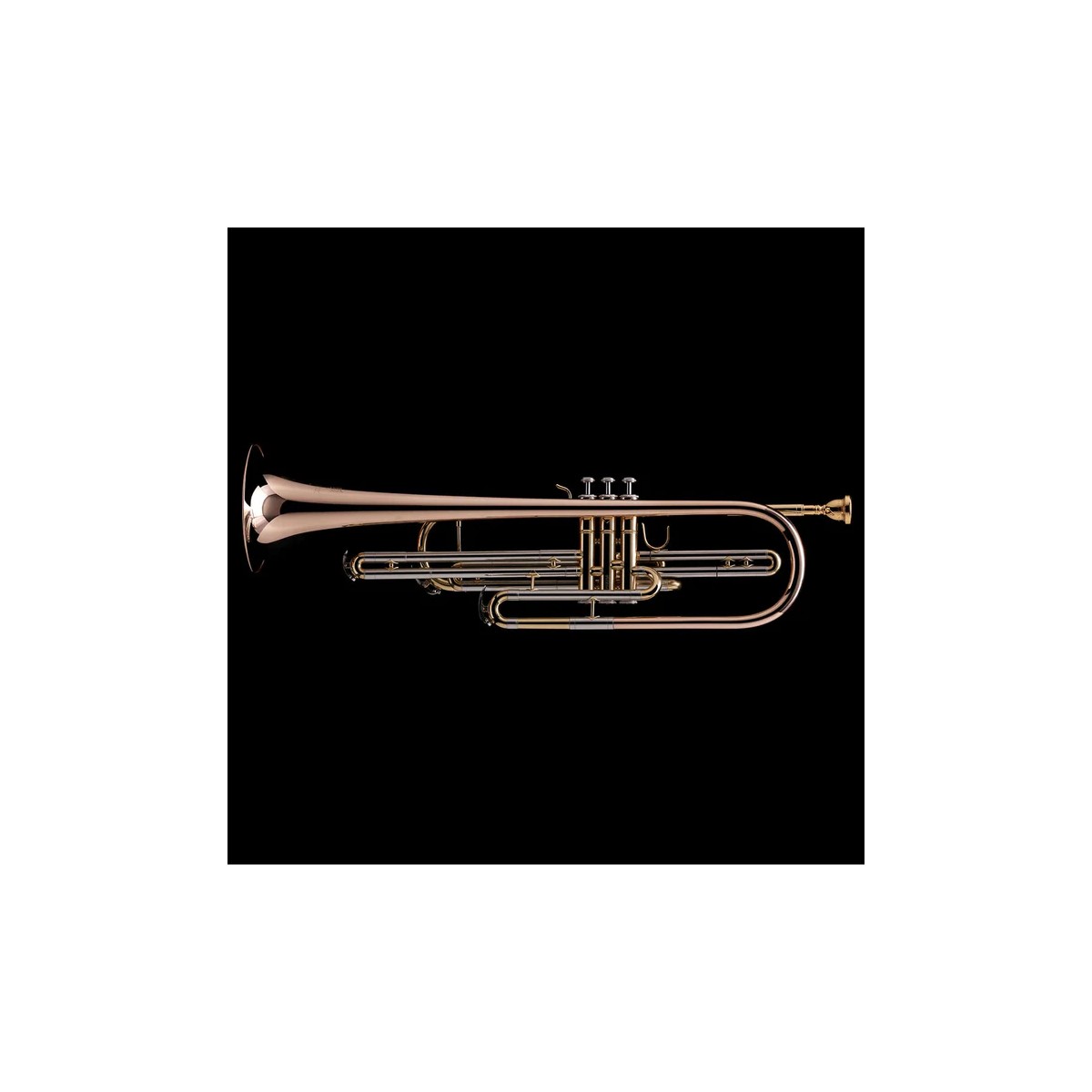
Tuned in Bb
Inner diameter: 0.46 "(11.66 mm)
Bell: 6.1 "(155 mm)
Gold Brass leadpipe
Gold Brass bell
Nickel slides
Monel pistons
Tip Wessex 6 ¾ c
Includes Case